
ESG Leadership Programme: A Comprehensive Guide for Graduates and Emerging Professionals
Environmental, Social, and Governance (ESG) principles have become an essential part of modern organisational strategy across the globe. As businesses, financial institutions, public sector entities, and non-profit organisations face increasing expectations around sustainability, ethics, and accountability, there is a growing demand for professionals who understand how ESG frameworks operate in practice.
The ESG Leadership Programme is a structured professional development initiative designed to equip participants with foundational and applied knowledge of ESG concepts. It is particularly relevant for graduates and early-career professionals seeking to build careers in sustainability, compliance, governance, risk management, and responsible business practices.
This article provides a detailed, factual overview of the ESG Leadership Programme, including its purpose, learning focus, eligibility considerations, career relevance, and application guidance. The information is presented in a neutral, transparent manner to support individuals who are researching professional development opportunities in sustainability-focused career paths.
Understanding ESG and Its Importance in Today’s Job Market
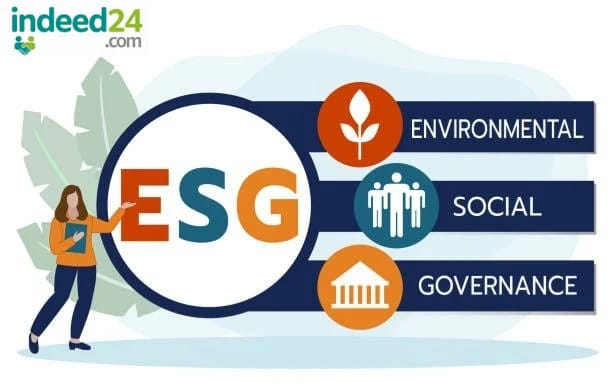
ESG refers to three central factors used to measure the sustainability and ethical impact of an organisation’s operations.
The environmental component focuses on how organisations manage their impact on natural resources, climate change, waste, and energy use. The social component addresses relationships with employees, communities, customers, and broader society. Governance relates to leadership structures, ethics, compliance, transparency, and accountability.
Over the past decade, ESG considerations have moved from being optional or niche concerns to becoming mainstream business priorities. Many organisations now integrate ESG metrics into strategic planning, risk management, reporting, and performance evaluation. As a result, professionals with ESG knowledge are increasingly sought after across multiple sectors.
For graduates entering the workforce, ESG-related training offers exposure to cross-disciplinary skills that are applicable in finance, operations, human resources, policy development, compliance, and sustainability roles.
Purpose of the ESG Leadership Programme
The ESG Leadership Programme is designed to provide participants with a structured understanding of how ESG principles are applied within organisational settings. Rather than focusing solely on theory, the programme aims to bridge the gap between academic concepts and real-world implementation.
The core purpose of the programme is to develop informed professionals who can support ESG initiatives, contribute to ethical decision-making, and understand how sustainability objectives align with organisational goals.
The programme typically introduces participants to ESG terminology, frameworks, regulatory considerations, and practical applications, enabling them to engage meaningfully with sustainability-related responsibilities in the workplace.
Programme Structure and Learning Approach
While the exact structure may differ depending on the provider, ESG leadership programmes generally follow a modular learning approach. This allows participants to build knowledge progressively while developing a holistic understanding of ESG principles.
The learning approach often combines theoretical instruction with practical case studies, scenario analysis, and applied exercises. This format supports critical thinking and encourages participants to consider how ESG issues affect different industries and organisational functions.
Some programmes may be delivered through blended learning models, including online sessions, workshops, group discussions, and independent study. Others may be structured as part-time or full-time professional development offerings, depending on the target audience.
Core Learning Areas Covered in ESG Leadership Training
Environmental Sustainability
The environmental component of ESG leadership training focuses on how organisations manage environmental risks and opportunities. Participants are introduced to concepts such as climate change impact, environmental compliance, resource efficiency, and sustainability strategies.
This area explores how environmental considerations influence operational decisions, long-term planning, and regulatory compliance. Participants gain insight into how organisations assess environmental impact and respond to sustainability challenges.
Social Responsibility and Stakeholder Engagement
The social pillar addresses how organisations interact with employees, communities, and stakeholders. Training may include discussions on workplace practices, diversity and inclusion, community development, health and safety, and social impact assessment.
Participants learn how social responsibility contributes to organisational reputation, employee engagement, and long-term sustainability. The programme also examines how organisations balance commercial objectives with social expectations.
Governance, Ethics, and Compliance
Governance training is a central element of ESG leadership programmes. This component focuses on leadership accountability, ethical conduct, regulatory compliance, risk management, and internal controls.
Participants are introduced to governance frameworks that support transparency, ethical decision-making, and responsible leadership. This area is particularly relevant for roles involving compliance, audit support, risk management, and policy development.
ESG Strategy and Integration
Beyond individual ESG pillars, the programme typically examines how environmental, social, and governance considerations are integrated into overall organisational strategy.
Participants learn how ESG objectives align with business goals, how performance is measured, and how ESG considerations influence strategic planning and decision-making.
Reporting and Disclosure
Many ESG leadership programmes include an introduction to sustainability reporting and disclosure practices. This may involve understanding ESG metrics, performance indicators, and reporting standards used to communicate sustainability outcomes to stakeholders.
While not all participants will work directly in reporting roles, this knowledge helps professionals understand how ESG information is evaluated and shared.
Who Should Consider an ESG Leadership Programme
The ESG Leadership Programme is designed to be accessible to a wide range of individuals, particularly those at the early stages of their careers.
Graduates with qualifications in business, finance, economics, environmental studies, social sciences, law, or management may find the programme especially relevant. However, ESG principles are increasingly relevant across disciplines, making the programme suitable for individuals from diverse educational backgrounds.
Early-career professionals seeking to expand their understanding of sustainability, governance, and ethical leadership may also benefit. The programme supports those who wish to position themselves for roles in emerging ESG-related fields.
Professionals working in areas such as operations, human resources, finance, compliance, or project management may use ESG leadership training to enhance their skill sets and broaden their career options.
Entry Requirements and Eligibility Considerations
Entry requirements vary depending on the institution offering the programme. In general, ESG leadership programmes may require a completed tertiary qualification or relevant professional experience.
Some programmes are open to recent graduates, while others are designed for working professionals. Applicants are typically expected to demonstrate an interest in sustainability, governance, or responsible business practices.
Strong communication skills, analytical ability, and a willingness to engage with policy-related and strategic content are often considered important for success in the programme.
Prospective applicants are encouraged to review eligibility criteria carefully and ensure that the programme aligns with their career goals.
Career Relevance of ESG Leadership Training
Completing an ESG Leadership Programme can support career development across multiple sectors. While the programme does not guarantee employment, it provides knowledge and competencies that are increasingly valued by employers.
Career paths that may benefit from ESG leadership training include sustainability coordination, governance support, compliance administration, risk management, policy analysis, and corporate responsibility roles.
Graduates who complete ESG-related training may also find opportunities in consulting, finance, development organisations, or public sector entities where sustainability and governance considerations play a role in decision-making.
As ESG continues to influence organisational priorities, professionals with relevant training may find themselves better positioned to adapt to changing workplace expectations.
Importance of Choosing Reputable and Accredited Providers
When considering any ESG leadership programme, it is important to ensure that the training provider is reputable and recognised. Accredited or well-established institutions are more likely to offer programmes that align with accepted ESG standards and industry expectations.
Prospective participants should be cautious of misleading advertisements that promise guaranteed employment, unrealistic outcomes, or instant certification without structured learning.
Verifying provider credentials, reviewing programme content, and understanding assessment methods can help applicants make informed decisions about their professional development.
Application Process and Documentation
The application process for ESG leadership programmes typically involves submitting an application through the official platform of the provider.
Applicants may be required to provide identification documents, proof of qualifications, and a curriculum vitae. Some programmes may request a short motivation or statement of interest explaining the applicant’s career goals.
It is important to complete all application sections accurately and submit documents before the stated closing date. Late or incomplete applications may not be considered.
Value of ESG Skills for Graduates Entering the Workforce
For graduates entering competitive job markets, ESG knowledge can provide a valuable differentiator. Understanding sustainability, governance, and ethical practices demonstrates awareness of modern organisational challenges and responsibilities.
Employers increasingly expect graduates to have a broader understanding of how businesses operate within social and environmental contexts. ESG leadership training helps graduates develop this perspective while building practical knowledge applicable across industries.
Even for roles not directly labelled as “ESG positions,” the skills gained through ESG training can support effective decision-making, compliance awareness, and ethical leadership.
ESG and the Future of Work
The importance of ESG is expected to continue growing as regulatory requirements evolve and stakeholder expectations increase. Organisations are likely to place greater emphasis on sustainability performance, ethical conduct, and transparent governance.
Professionals who understand ESG principles may be better prepared to navigate these changes and contribute to long-term organisational resilience.
For graduates and early-career professionals, investing time in ESG-related learning can support adaptability and long-term career development.
Conclusion
The ESG Leadership Programme offers structured, relevant learning for individuals interested in sustainability, ethical leadership, and responsible business practices. By providing insight into environmental, social, and governance principles, the programme supports informed participation in modern organisational environments.
For graduates exploring professional development pathways, ESG leadership training presents an opportunity to build knowledge aligned with emerging workplace priorities. While not a guarantee of employment, it equips participants with skills and understanding that are increasingly relevant across sectors.
As ESG considerations continue to shape organisational strategy and accountability, professionals with a solid foundation in these principles are likely to remain in demand. Prospective applicants are encouraged to research programmes carefully, verify provider credibility, and choose learning opportunities that align with their long-term career goals.